1. Home
  2. Fashion & Style
  3. Evergreens

Is Rolex a nonprofit company? The company’s charitable contributions, explained

Do you have another reason to feel good about buying Rolex watches?

A Rolex Submariner with a black background
Thomas Ljungdahl / Shutterstock

There are a handful of world-renowned watch companies in Switzerland that dominate the global watch community. Acquiring a Swiss-made watch is comparable to purchasing a car manufactured in Detroit. Of course, while there are Omega, Tudor, and IWC, which are near the top of the brand pyramid, one brand stands above the rest. Rolex.

There are tons of reasons to buy a Rolex watch. Not only has the company dominated the industry with some of the most sought-after watches on the market for a century, but it is also responsible for some of the most iconic men’s watches in history, including the Rolex Submariner. But is it actually a nonprofit company?

Recommended Videos

Is Rolex a nonprofit?

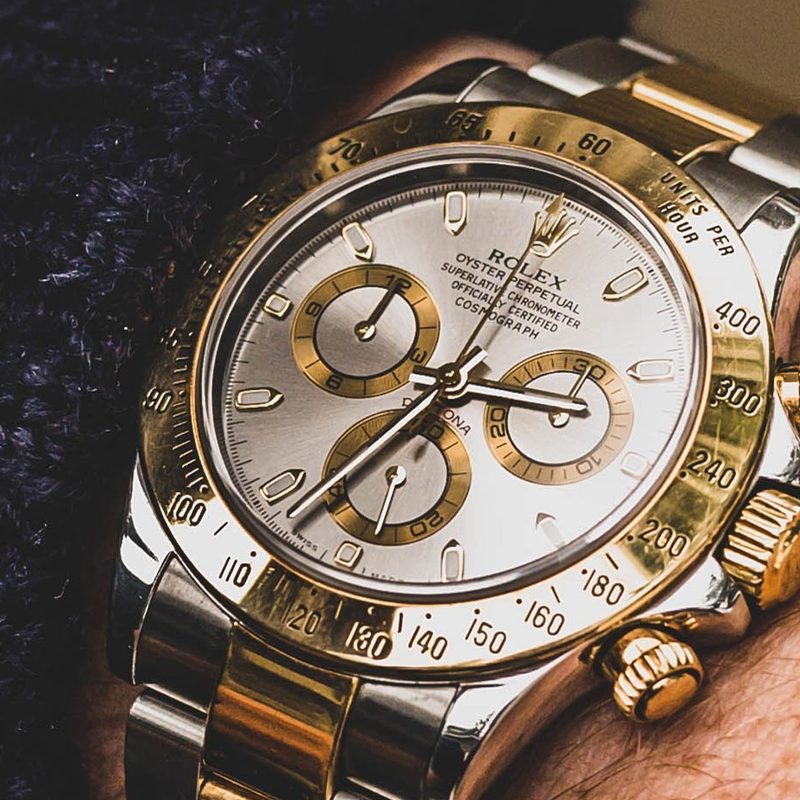
A Rolex Daytona on a wrist
Luke Miller / Pexels

The easiest way to answer this question is to say no, Rolex is a for-profit watchmaker. However, the company is owned 100% by the Hans Wildorf Foundation, which is a Swiss charitable trust. This means that Rolex is given certain characteristics that are unique to nonprofits.

For instance, we know that Rolex is a private Swiss joint‑stock company that designs, produces, and sells an estimated annual unit production of around a million watches and has an estimated annual revenue of about $10 billion. Why are they estimates? Because Rolex is owned and operated by a nonprofit organization that doesn’t have to release its financials to the public.

When Hans Wilsdorf, the owner and founder of Rolex, died in 1960, he had no heir to leave the company to. In an effort to ensure the company’s and his values survived, he left the entirety of the shares to the Hans Wilsdorf Foundation. Since then, it has been run by the Foundation, which reinvests the company’s profits into charitable causes.

Is Rolex a nonprofit? No. Legally, it’s a commercial entity — but as a nonprofit’s subsidiary, it does contribute to charitable and philanthropic causes.

This includes the Rolex Awards for Enterprise, which was established in 1976 and supports work in areas such as saving endangered ecosystems, ocean conservation, and advancements in science, health, and technology. Additionally, Rolex’s Mentor & Protégé Arts Initiative focuses its philanthropic efforts on art and culture. Rolex SA itself donates approximately 90% of its donations anonymously to similar causes.

Is your Rolex a charitable donation?
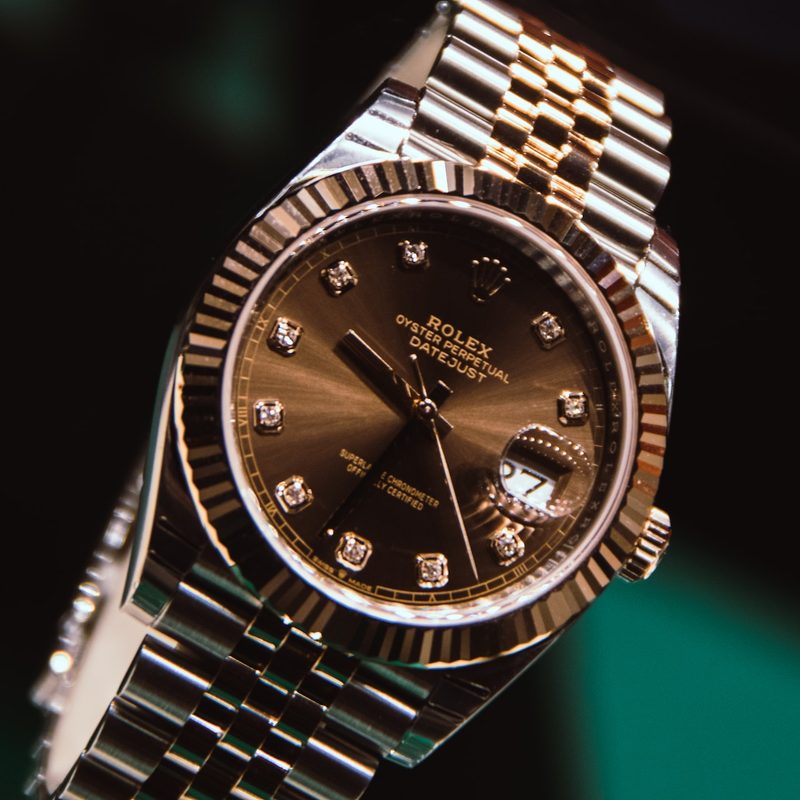
A brown Rolex watch.
Laurenz Heymann / Unsplash

Now that we have clarified the nonprofit question in the most complicated way, let’s examine where the money you spend on a Rolex goes. Of course, running a global brand like Rolex and being the face of Swiss watchmaking isn’t cheap. So a good chunk of the $10 billion annual revenue goes to keeping the lights on and the salaries of the watchmakers, sellers, and certifications current. The rest of the money goes to three different streams of charitable foundations.

It’s important to note Swiss nonprofits are required to file statements, but they aren’t legally obligated to publish details, resulting in limited transparency. The Hans Wilsdorf Foundation supports local social projects in Geneva and all over the world in an effort to help the environment and other social actions. The second is training and education, where the foundation focuses on grants and scholarships. The third is culture, where the foundation works to further music, theater, and the arts around the world.

So, you may not be able to write off your Rolex purchase as a charitable donation, but you can feel great knowing that the money you spend is not lining the pockets of a greedy executive; instead, it’s going to help those who need it. Is Rolex a nonprofit? No. But it certainly operates like one.

Mark D McKee
Mark cut his teeth in the men's style world when he sold suits first at box stores such as Men's Wearhouse and Jos. A. Bank…
Watches That Celebrate America
What makes an American watch today? We explore the brands keeping the country's horological tradition alive.
Wristwatch, Arm, Body Part

My first horological crushes were glamorous European supermodels with names like Cartier, Audemars Piguet, and Patek Philippe. As my tastes matured, the Far East captured my fancy when I discovered the restrained elegance of Naoya Hida, Grand Seiko, and Hajime Asaoka. But every rambling heart eventually finds its way home. Now, a seasoned chronophile, I'm head over heels for all-American beauties.

I sat down with American horology hero Cameron Weiss to learn about the history of Yankee watchmaking. After cutting his teeth at Audemars Piguet and Vacheron Constantin, Cameron founded Weiss Watch Company, a trailblazer in the revival of American mechanical watchmaking. Cameron also hosts two of the internet’s most entertaining watch podcasts: Watch & Listen and The Watchmaker’s Workshop.

Read more
525 cyclist victories went into building Brietling’s newest watch
Breitling honors one of the greatest cycling legends of all time in their newest watch
Wristwatch, Arm, Body Part

Breitling has been a mainstay in the luxury watch world for as long as watches have been on the wrists of explorers around the world. After their success with the iconic Navitimer, Breitling looked for a new way to make a splash, and boy, did they find a great one in the early sixties. When they dropped the Breitling Top Time, it was a revolution, the kind that showed up on the wrist of one of the most famous people in the world. When James Bond wears a watch, it becomes an icon, a legend. Now, the Top Time didn't have the Geiger counter on it that Sean Connery's did in 1965's Thunderball, but it was a pillar for the next decade. Following the discontinuation in the 1970s and the relaunch in 2020, Breitling has dropped a new version honoring one of the greatest cyclists to ever pedal.

Eddy Merckx is the greatest cyclist of all time. His record speaks for itself. These watches capture that drive, that constant push to go further, faster, and push limits. - Jean-Marc Pontroué, CEO, Breitling

Read more
The Surprising Connection Between Luxury Watches and Sneakers
How Collecting Became a Market
Wristwatch, Arm, Body Part

Back in the day, as in pre-2020 (which, let’s be honest, still feels like it was a year ago), collecting was so much simpler. You bought a watch simply because you liked the dial or the way it glittered on your wrist. You bought a pair of sneakers because you thought they made you look like your favorite athlete. Or, maybe there was satisfaction in knowing they might be worth more someday (though we’re still waiting on all those Beanie Babies to go up in price too). Then came 2020, and we all know what happened then. 

When the world shut down, people found themselves with too much time on their hands, more disposable income since there was nowhere to spend money, and a collectibles boom erupted forth like a volcano. Watches and sneakers were no longer just hobbies; they were actual markets. Rolex prices jumped up to outrageous heights, and then later fell like a lead balloon. The frenzy became so intense that, after peaking in April 2022, an index of popular Rolex models tracked by WatchCharts would later fall 21%, according to Morgan Stanley. 

Read more