Whether stacked high with toppings or kept classic with just cheese and ketchup, burgers are a popular comfort food often tagged as a guilty pleasure. As a nutritionist, I’ve had many weight loss clients ask if they can still include burgers in their weekly rotation, given growing concerns about how burgers often get a bad rap in relation to processed foods and saturated fats. This leads many people to wonder, “Are burgers healthy?”
With the right ingredients and a few thoughtful swaps, however, your next burger can be both satisfying and nutritious. So, before you toss burgers into the cheat meal pile for good, let’s unpack how they can actually fit into a well-rounded diet.
Are burgers considered healthy?

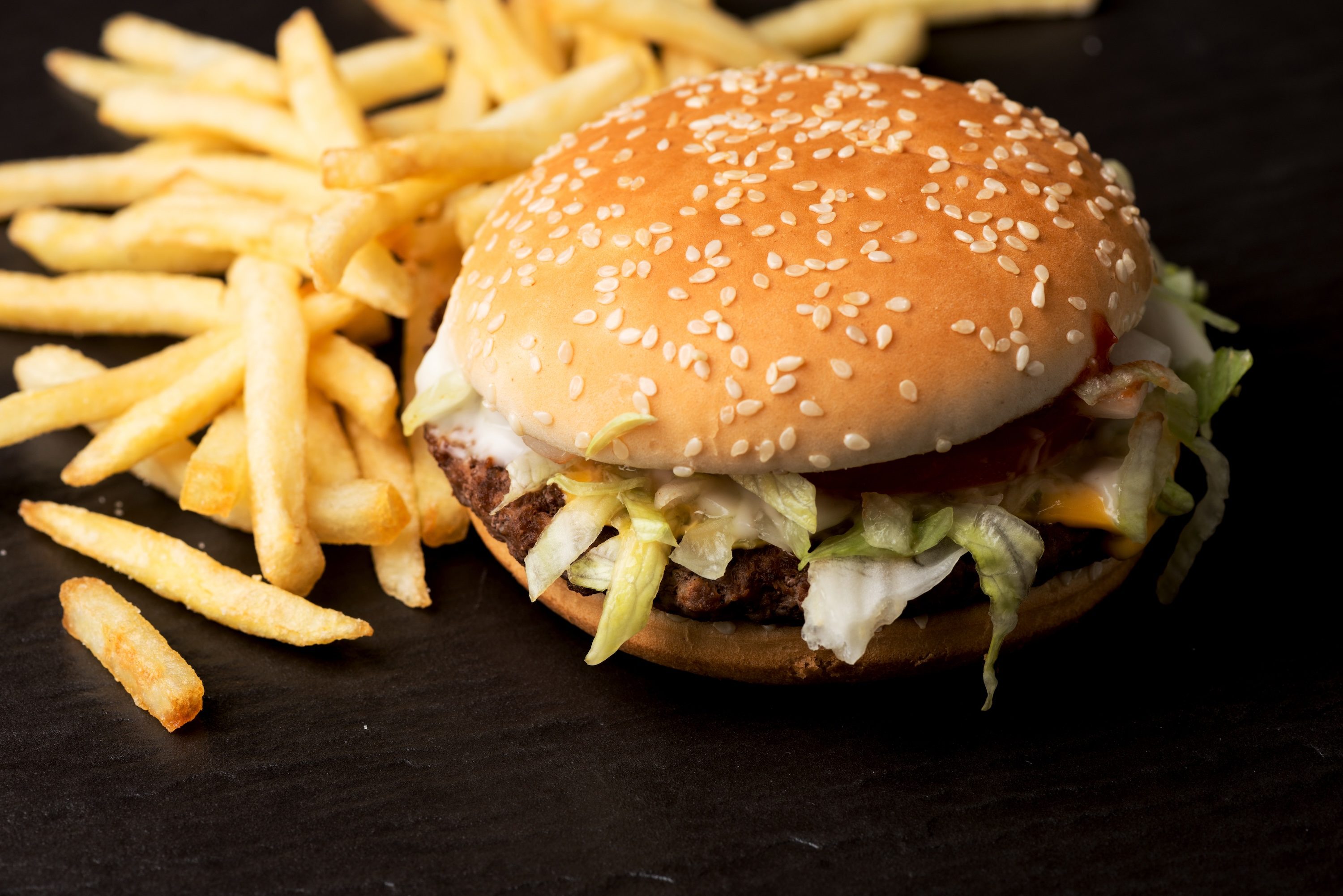
The healthiness of a burger depends on what ingredients are used. A regular burger typically consists of a beef patty, a bun, and various toppings, including lettuce, tomato, onions, cheese, and condiments. When you break it down, there is potential for both nutritional value and excess calories.
A plain beef patty provides protein, iron, vitamin B12, and zinc, which are essential nutrients for muscle growth and the production of red blood cells. However, issues arise with the addition of saturated fats, sodium-heavy sauces, processed cheese, and refined buns. The biggest concerns are the portion size and how often you consume burgers.
A double bacon cheeseburger loaded with sauces and served with fries and soda can easily exceed 1,200 calories. That is approximately half of the average recommended daily calorie intake, and the National Institute on Aging suggests that one should obtain the recommended amount of each food group without exceeding the daily recommended calorie limit. Hence, such large burger options and portions should generally be avoided. However, when made with lean meat, whole grains, and fresh produce, burgers can be healthy.
Are homemade burgers healthier than at restaurants?

Homemade burgers are generally healthier than restaurant burgers because they allow you to control everything from the type of meat to the amount of oil and salt used. You can select lean ground beef, turkey, or plant-based proteins and opt for whole-grain buns or lettuce wraps.
Restaurant and fast-food burgers, on the other hand, are typically designed for flavor and convenience over nutrition. They are usually cooked in butter or high-fat oils and may contain preservatives or fillers. Also, portion sizes tend to be larger, and extras like crispy onion rings or sugary sauces can sneak in way more calories than you bargained for.
How to order a burger to make it healthier

Grabbing a burger while eating out doesn’t have to mean throwing your health goals out the window. With just a few thoughtful tweaks, you can enjoy every bite minus the guilt and extra calories.
- Choose a single patty: Double or triple stacks might sound tempting, but they usually add extra calories without keeping you fuller for much longer.
- Lean proteins: If the option is available, opt for lean ground beef, turkey, or even a veggie or black bean patty.
- Go easy on the cheese: One slice can add flavor, but multiple slices would increase saturated fat. Skip the cheese pile-on.
- Pile on the veggies: Lettuce, tomatoes, onions, and pickles not only add crunch and flavor but also boost nutritional value with minimal calories.
- Watch the sauces: Try mustard, salsa, or a light spread instead of mayonnaise and ranch. You could also ask for sauces on the side if you want extra control.
Tips for creating the most nutrient-dense homemade burger

Since you are in charge, every layer — from the patty to the bun to the toppings — is an opportunity to boost nutrition while keeping all the flavor you crave. Here are some tips on how to make a burger that supports your health goals.
Start with a lean protein
The base of any good burger is the patty, so you should choose the best. Choose 90% lean ground beef, ground turkey, chicken breast, or even a hearty lentil or black bean-based plant patty. These options give you protein, iron, and B vitamins minus the extra saturated fat often found in fattier blends.
Use whole grains or greens for the bun
Swap the usual white bun for a whole-wheat version to add fiber and keep you full longer. If you want to cut carbs, try romaine lettuce wraps, cabbage leaves, or even grilled portobello mushroom caps.
Add healthy fats
Instead of reaching for heavy condiments, use heart-healthy fats. A few avocado slices can add creaminess and flavor without the saturated fat overload. Cooking your patty with a small amount of olive oil also brings in beneficial monounsaturated fats.
Add veggies to the patty
Mix chopped mushrooms, spinach, onions, or shredded zucchini directly into your burger mix. They add texture and moisture without compromising the taste.
Season with a variety of spices
Good flavor doesn’t need a ton of salt. The United States Department of Agriculture (USDA) has this to say about sodium consumption: “Healthy eating patterns limit sodium to less than 2,300 mg per day for adults and children ages 14 years and older.” Instead of using too much salt, try using herbs and spices like garlic powder, cumin, smoked paprika, or fresh thyme to improve taste while keeping sodium levels in check.
Sides to consider for a more balanced meal

Sure, fries and soda are the classic burger combo, but they don’t do much for your health. If you want your meal to be balanced, consider swapping in these sides:
- Baked sweet potato fries: Sweet potatoes are generally healthy for you. They are a fiber-rich, vitamin A-packed alternative to regular fries.
- A fresh side salad: You could mix leafy greens, a sprinkle of seeds, and a light vinaigrette for a nutrient-dense crunch.
- Grilled veggies: Zucchini, bell peppers, and mushrooms are all examples of foods that are high in antioxidants and rich in flavor.
- Fruit salad or apple slices: A naturally sweet, refreshing contrast can also help curb cravings.
- Sparkling water or unsweetened iced tea: Drinking these instead of water will help curb sugar cravings.
Frequently asked questions
Can I eat a burger and still be healthy?
You can enjoy a burger as part of a healthy diet, especially when made with ingredients rich in nutrients and paired with balanced sides. The trick is moderation and making mindful choices about toppings, condiments, and how you cook it. Choose grilled over fried, avocado over heavy mayo, and a side of greens instead of fries.
Is it okay to eat a burger once a week?
Having a burger once a week, especially one you make at home or order with healthier tweaks, isn’t going to derail your goals. What truly matters is your overall dietary pattern. If you consistently choose nutrient-dense foods throughout the week, there will be room for the occasional indulgence.
Are burgers healthier than chicken?
It boils down to how it is prepared. A grilled chicken breast is often the leaner option, with less saturated fat than your average beef burger. However, a burger made with lean beef and fresh ingredients can be just as healthy. The real trouble begins with processed chicken patties or fried chicken sandwiches, which can easily contain more unhealthy fats and sodium than a well-made homemade burger.